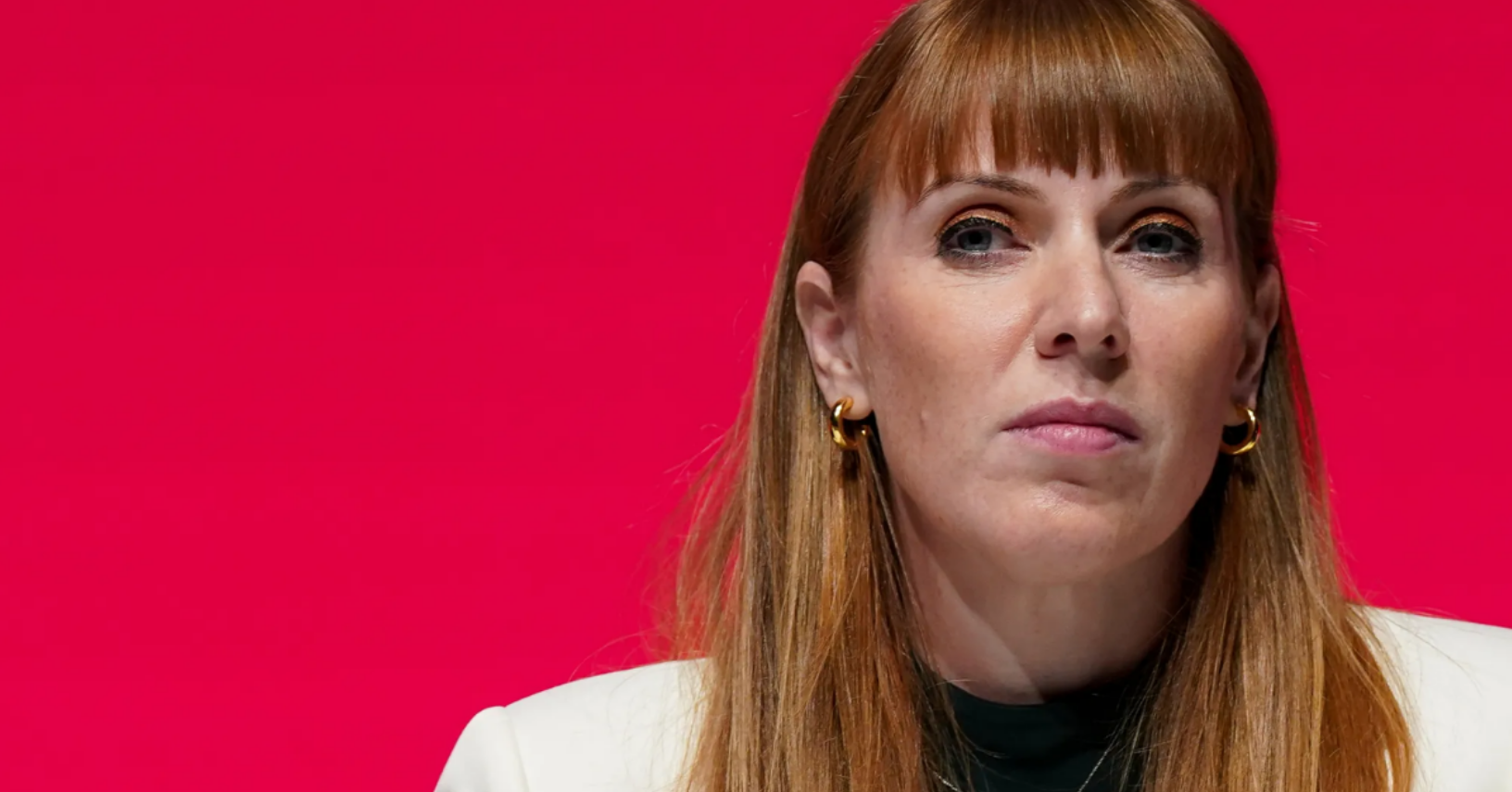
Angela Rayner Tax Clanger: 5 Sales Lessons We Can Learn…Starting With “Probably”
Never Bet on “Probably”: Choices Under Pressure
Imagine you’re about to cross a busy road. You look left and right. A friend says it looks safe. Another says it’s probably fine, but perhaps check with the lollipop lady. You stride out without asking her. Then, inevitably, a car barrels round the corner. “Probably” has just earned you a trip to A&E.
That, in essence, is what the Angela Rayner tax scandal feels like. Not evil. Not sneaky. Just a risky choice under pressure that unravelled spectacularly.
And it’s a story with lessons for all of us in business, especially when we’re tempted to guess at forecasts, customer needs, or deal complexity. Because in sales, as in politics, “probably” is the most dangerous word in the English language.
Angela Rayner Tax Clanger: What Actually Happened
Let’s strip away the fog and explain this in plain English.
Angela Rayner bought a flat in Hove back in May. Stamp Duty Land Tax (SDLT) was paid at a lower rate, as if it were a main residence. Later, specialist advice said the higher rate should have been paid because she already owned a property. That meant a substantial underpayment.
She notified the Prime Minister’s ethics adviser on 3 September. Two days later, the adviser concluded that she had breached the ministerial code by failing to seek specialist tax advice upfront. She resigned on 5 September.
You can read the official correspondence here in the government’s published letters. Both The Financial Times and The Times reported that the tax shortfall was significant, and that a cabinet reshuffle was rushed through. BBC News framed it as a failure of process, not intent. The Guardian emphasised the missed signposts to seek expert advice. And Sky News highlighted the speed of her departure, with David Lammy named Deputy Prime Minister the same day.
The verdict on the Angela Rayner Tax Clanger? Good faith. Bad process.
When “Probably” Fails: Choices Under Pressure
Here’s where the resonance with business is sharp.
Angela had general legal input that seemed reassuring. Twice she was advised to seek specialist tax guidance. Twice it was not followed up. By the time the specialist finally confirmed the higher rate applied, it was too late.
This isn’t pantomime. It’s human. A diary full of competing priorities. A few quick emails that sounded safe. Then the floor gave way.
In sales, we see the same temptation. “The deal will probably close by quarter-end.” “The customer probably wants this feature.” “The budget’s probably approved.” Each “probably” feels harmless — until the forecast is wrecked, the product misses the mark, or the customer walks.
The Playground Test: Three Simple Filters
So how do you make better decisions when the cost of being wrong is so colossal? I use what I call the Playground Test – three kid-simple filters:
- Who Is the Real Expert Here?
If it’s tax, ask a tax specialist. If it’s health, ask a doctor. If it’s elections, ask an elections officer. In business, if it’s procurement, ask procurement. Don’t substitute mates or half-knowledge. - What’s the Worst That Can Happen?
Say it out loud. If the worst-case headline reads, “Top minister underpaid tax” or “Sales director missed forecast by £2m,” then slow down. - Would I Be Happy Seeing This on the Front Page of The Times?
If the answer is no, don’t move. Wait until you’ve got the boring, bulletproof documentation.
In Angela Rayner’s case, each of these filters would have tripped. The right expert wasn’t consulted. The worst case was catastrophic. The front-page test was a glaring “no.”
5 Sales Lessons from the Angela Rayner Tax Scandal
And here’s where we, as salespeople, need to translate scandal into strategy. Below are five practical tips for navigating complex deals without leaning on “probably.”
1. No Guessing – Don’t assume you know what the customer needs. Confirm. Validate. Play back their words. It’s not enough to think, “They probably want faster delivery.” Ask. Document. Verify.
2. Get Expert Advice – Bring in the right specialist early. Whether it’s legal, technical, or financial, experts asked early give clarity. Experts asked late manage fallout. In Rayner’s case, a tax adviser up front would have saved her career.
3. Worst-Case Headlines – Force yourself to write the nightmare version of events. “Client cancels after six months because solution doesn’t integrate.” If you can’t live with that headline, tighten your process.
4. Own the Clock – Timing is everything. Ask the hard questions early. Don’t wait until procurement week to check budget sign-off. Delay is often where “probably” creeps in.
5. Paper the Trail – Pretend every note could be published. Would a stranger say you took enough care? If not, strengthen your file.
Sometimes the simplest structures save the most pain. Think of this as putting on your bike helmet before the ride.
Red-Line Triggers
Write down situations where you must pause and call in a specialist. No expert, no action.
Nominate a single senior person who can halt progress if things look shaky. In sales, that might be your CRO. In government, it should have been the ethics adviser.
These two guardrails alone could have prevented the Angela Rayner tax fallout.
Who Carries the Can?
Ultimately, leaders bear responsibility. The ethics adviser’s letter spelled it out: taxpayers are responsible for paying the right tax, and senior officeholders must meet the highest bar. Rayner accepted that in her resignation letter.
In sales, it’s the same. You can seek advice, build consensus, blame procurement, or cite the CRM. But at the end of the day, if you forecast the deal, you carry the can.
My Take
I’m genuinely sad she’s gone. Angela Rayner was a trailblazer for working-class voices in politics. Her background wasn’t in tax, and it shouldn’t have to be. The failure wasn’t intent; it was process.
And that’s the golden thread here. Under pressure, do you lean on a cheery “probably” — or do you follow the boring, meticulous steps that save you later?
This time, “probably” wasn’t good enough. In politics, it cost a Deputy Prime Minister her job. In sales, it could cost you your quarter.
So next time you hear the word “probably,” imagine that lollipop lady. If you haven’t asked her yet, don’t step off the curb.
Remember: If in doubt. Don’t.
Watch: How to Create An Awesome LinkedIn Photo