3 Top Reasons We Need a More Sustainable York
Is York a Sustainable City?
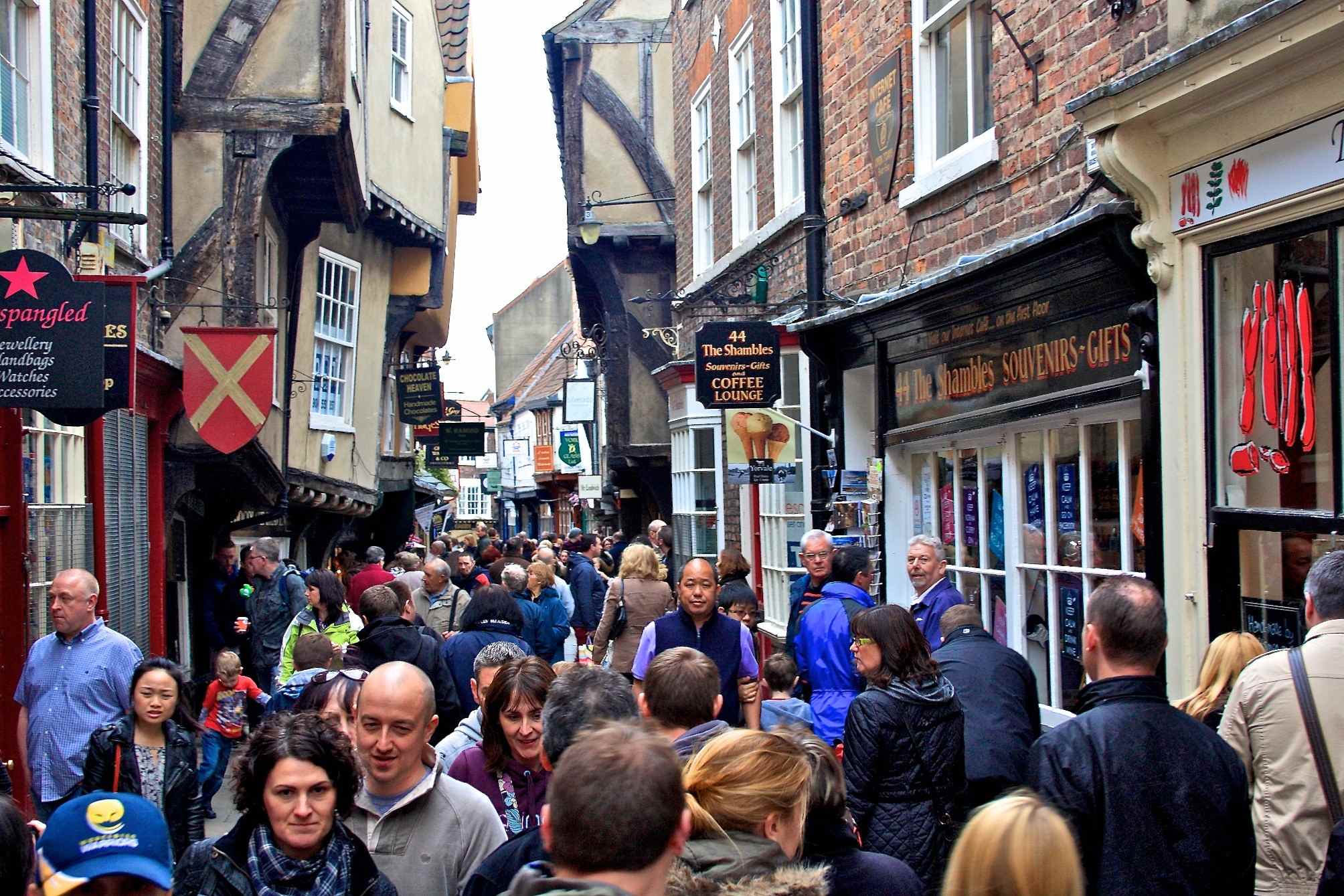
This is a city of extraordinary heritage, culture, and vitality. Every year, around nine million visitors are drawn to its cobbled streets, medieval walls, and iconic landmarks. Tourism fuels the local economy and sustains thousands of jobs, but it also comes at a significant CO2 cost. So how can we create a more sustainable York?
Why York Needs a Fresh Approach
With a 43:1 ratio of tourists (nine million) to residents (200,000), the balance is becoming harder to maintain. Waste services are stretched, congestion is mounting, and public spaces need constant upkeep. In addition to this, essential public services such as transportation, healthcare, and policing bear the extra burden of catering to millions of short-term visitors, thereby diverting resources away from residents.
If York is to remain a world-class destination, fresh funding mechanisms are essential to build a more sustainable York and ensure its future for generations to come.
What Is a Tourist Levy?
One practical, fair, and globally proven idea is a tourist levy – a small, ring-fenced charge applied to visitors. Already in place in cities like Manchester, Venice, and Edinburgh, this system provides a reliable revenue stream to improve sustainability and ensure a more sustainable York for generations to come.
The Environmental Challenge
York’s challenges are real and visible. Research shows:
- Low tree coverage (10.8%), limiting natural carbon absorption.
- Buildings account for 62% of local emissions.
- Transport contributes 28% of emissions.
- Waste and recycling systems are struggling to meet circular economy goals.
Add all those millions of tourist footsteps, and it is crystal clear that doing nothing is not an option.
Residents and Visitors Agree
Primary research carried out with the University of York (below) highlights a social licence for change:
- Tourists: Largely supportive of a £2 per night charge, with resistance only at higher levels.
- Residents: Back the levy if revenues are reinvested in transport, waste, and heritage preservation.
- Businesses: Cautious but more open if funds are transparently reinvested.
Options on the Table
Several models have been considered:
- £2 overnight accommodation fee – simple, effective, minimal impact on demand.
- £5 daily fee – targets day-trippers but legally complex in England.
- £12.50 ULEZ-style charge – strong environmental impact but high deterrent.
- Do nothing – risks degradation of services and quality of life.
Why £2 a Night Works
The recommended option is a voluntary BID-style levy applied to accommodation providers. Manchester has already demonstrated that this approach can raise significant funds without driving visitors away.
Revenue and Benefits
Even a modest charge could generate millions annually. Funds could be directed into:
- Expanding sustainable transport.
- Retrofitting historic buildings to cut emissions.
- Boosting waste and recycling capacity.
- Conserving York’s heritage assets.
In short: a small individual cost creates a large collective benefit, moving us closer to a more sustainable York.
Should Businesses Worry?
Some businesses fear higher costs. These can be mitigated with:
- Transparent governance through a levy board.
- Clear communication that this is an investment, not a tax.
- Visible benefits such as cleaner streets and better facilities.
Levy: A Badge of Pride
Handled well, the levy can become a badge of pride for visitors and locals alike. It signals that York is a forward-thinking city, prepared to take action to protect its unique character.
Towards a More Sustainable York
York is at a crossroads. Tourism brings prosperity, but unmanaged, it threatens the very qualities that make the city special. A carefully designed tourist levy offers a fair, feasible, and future-focused solution.
It balances the needs of residents, visitors, and businesses while funding the transition to a more sustainable York. The time to act is now.