3 Tips to Get Better at Selling Complex Products
3 Top Tips to Sell More Science
1. If You Can’t Explain It Simply
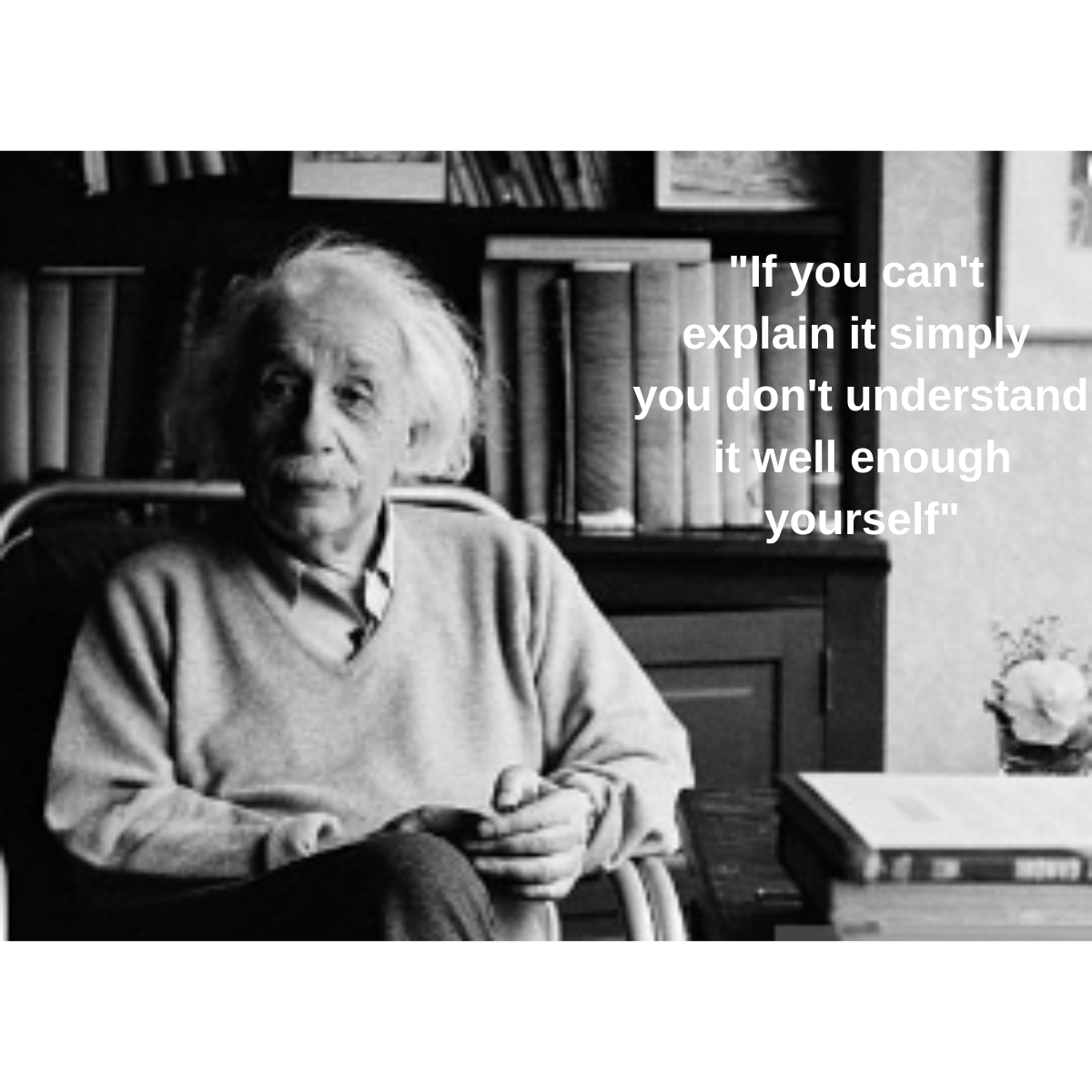
“If you can’t explain it simply, you don’t understand it well enough yourself.” Albert Einstein.
That timeless nugget applies just as much in sales as in physics. Especially in 2025, where UK scientists and tech founders are developing world-class innovations, from gene-edited tomatoes to AI-driven diagnostics, and yet often stumble at the final hurdle: persuading someone to buy.
From boardrooms to start-ups, Keith Rozelle has seen what works. Each week, his newsletter delivers powerful LinkedIn tactics and proven B2B sales strategies for ambitious business owners.
Because here’s the brutal truth: no matter how brilliant the product, if your audience doesn’t understand what it is, why it matters, and how it improves their world, then they won’t sign the purchase order. That’s the central challenge of selling complex products.
Selling Complex Products in 2026
When your offer sits at the intersection of science, technology, and policy, you’re not just selling a product. You’re selling understanding, trust, and reassurance. And in a world where AI now writes proposals, triages leads, and forecasts pipeline with eerie precision, the real question is: where does the human salesperson still reign supreme?
The Financial Times reported this year that boardrooms are awash with AI-generated decks, yet CEOs still want human voices to make sense of the noise. Similarly, Forbes highlights that while automation can streamline processes, “the final mile of persuasion” remains stubbornly human.
In short, AI can oil the wheels of the sales process, but it can’t close deals alone.
Why Simplicity Still Sells
Salespeople and scientists alike fall into the same trap: overcomplicating to sound credible. But complexity kills momentum. Facts inform, but meaning persuades.
Take agritech. A procurement director doesn’t care that your fertiliser contains oligosaccharides. They care that it reduces rejections at harvest. A minister isn’t swayed by microbial strain names, but by whether your solution supports the UK’s food security targets.
As The Times recently put it, “innovation without translation is just jargon.” The real skill in selling complex products lies in connecting those dots.
The Blind Spot Many Scientists Miss
After years immersed in research, scientists and founders forget that not everyone speaks their language. What feels basic to them can sound baffling to others.
A CFO might not know their RNA from their ROI, but they do know risk, return, and compliance. Simplifying isn’t dumbing down. It’s framing innovation in terms of what matters most to the person across the table.
As Harvard Business Review notes, “translation is the currency of influence.” Without it, deals stall.
Where AI Helps, and Where It Doesn’t
AI in sales is no longer experimental; it’s everywhere. Tools like Salesforce Einstein and HubSpot AI can crunch lead scores, predict churn, and draft outreach emails. For selling complex products, AI shines brightest in processing huge datasets and highlighting patterns humans might miss.
Yet when it comes to live negotiations, emotional nuance, or the subtle dance of trust, AI still falters. Buyers want to feel heard, not analysed. They want empathy, not algorithms.
As BBC News recently reported, “automation can make processes efficient, but persuasion is still profoundly human.”
What’s New in UK Agritech?
The UK’s agritech sector is a perfect test case for selling complex products. Innovation is galloping ahead, but unless the benefits are translated, value gets lost in translation.
- Gene-edited crops could be on shelves by 2026. That means not just science, but margin defence.
- Regenerative farming is addressing soil degradation. That’s not just ecology, it’s supply-chain resilience.
- AI-powered precision farming means predictability at scale. That’s investment gold dust.
Each stakeholder, farmer, policymaker, investor, needs a different story. The facts are the same, but the framing must shift.
3 Tips for Selling Complex Products
- Translate value, not terminology
Facts alone don’t persuade. Always ask: what does this mean for them? Cost saving? Faster growth? Regulatory compliance? - Switch gears for different audiences
Don’t use lab-speak in a boardroom. Tailor your story to the commercial, policy, or operational lens of your audience. - Build trust through clarity
One client overwhelmed buyers with talk of Acinetobacter calcoaceticus. Once reframed as “fewer inputs, faster recovery,” conversions soared.
At Sales Marvel, we’ve seen again and again that clarity is a superpower in selling complex products.
The Human v AI Divide
So, where should AI support you, and where should you absolutely rely on humans? Here are five practical tips:
3 Areas Where Humans Beat AI Every Time
- Negotiation – No algorithm can read a furrowed brow in a boardroom or adjust tone mid-sentence when a deal is wobbling.
- Building Trust – Trust grows through empathy, credibility, and shared stories, not predictive text.
- Storytelling – Humans excel at weaving narratives that inspire belief and emotional buy-in, especially for high-risk decisions.
2 Areas Where AI Can Confidently Be Used
- Lead Qualification – AI can scan thousands of profiles, filter prospects, and prioritise leads far faster than a human SDR.
- Proposal Drafting – AI can create first-draft documents packed with data, freeing humans to refine the message and add persuasive flair.
As McKinsey argues, “the future of sales is human-AI collaboration, not substitution.”
Final Thoughts for Selling Complex Products
Selling complex products is less about dazzling with detail and more about translating innovation into meaning. AI is the wingman; humans are still the pilots.
So if you want to stop confusing your audience and start selling complex products, focus on clarity, simplicity, and empathy. And when in doubt, remember Einstein: if you can’t explain it simply, you probably don’t understand it well enough yet.
If this struck a chord, share this with a colleague who’s knee-deep in complexity. After all, the more of us who learn to sell smarter, the more brilliant ideas will actually make it out of the lab and into the world.